A quiet box on
a hot wall.
Home inverters usually get mounted somewhere inconvenient — the side wall, the car porch, outside a bedroom window. Fanless cooling means that placement stops being a compromise.
Pick by phase and by whether you want batteries
Grid-tied inverters send everything to the house and the grid. Hybrid inverters can also charge a battery, which is what keeps the lights on when supply drops.
| Series | Output | Phase | Type | Notable |
|---|---|---|---|---|
| DNS G3 / G4 | 3 – 6 kW | Single | Grid-tied | 2 MPPTs; compact wall unit |
| MS G3 / G4 | 5 – 10 kW | Single | Grid-tied | Up to 3 MPPTs for split roofs |
| ET PLUS+ | 5 – 10 kW | Three | Hybrid | Fanless & quiet; IP66; <10 ms backup |
| MIS | 800 W – 2 kW | Single | Microinverter | Panel-level; for small or shaded roofs |
How much backup do you actually need?
Batteries are priced by the kilowatt-hour, so oversizing is expensive and undersizing is annoying. These are the blocks available.
Entry block. Covers lights, fans, fridge, routers through a typical outage.
Low-voltage block for a household that wants aircon overnight.
High-voltage, stackable. Start small and add modules later.
Fast enough that a desktop PC does not reboot.
From roof photo to commissioned system
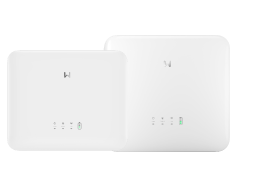
Sizing
We read your TNB bill to find your real consumption pattern, then size the array and battery against it rather than against a package tier.
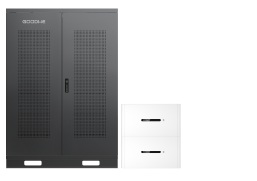
Install
Mounting, DC and AC runs, isolators and earthing, with the inverter sited where servicing is practical and shade is available.
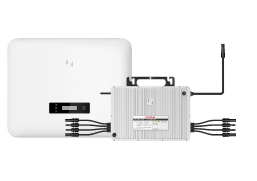
Handover
Commissioning, monitoring app set up on your phone, and a walkthrough of what each breaker does before we leave.
Send us your last bill
That one number tells us more about the right system size than any questionnaire. We will come back with options and a price.
Get a quote